When Indian Motorcycle unveiled the Scout in 1920, few realised that one of motorcycling's most enduring legends had just been born. It was designed by the Irish engineer Charles B. Franklin, a former racer who gave the machine a rare blend of light weight, mechanical reliability and confident, nimble handling. The original Scout used a 42-degree V-twin displacing 596 cc (37 cu in), its gearbox geared directly to the engine — a layout that proved remarkably tough and almost maintenance-free.
A 1920 Indian Scout — the machine that started the legend. Photo: Qflieger, Wikimedia Commons (CC BY-SA 3.0)
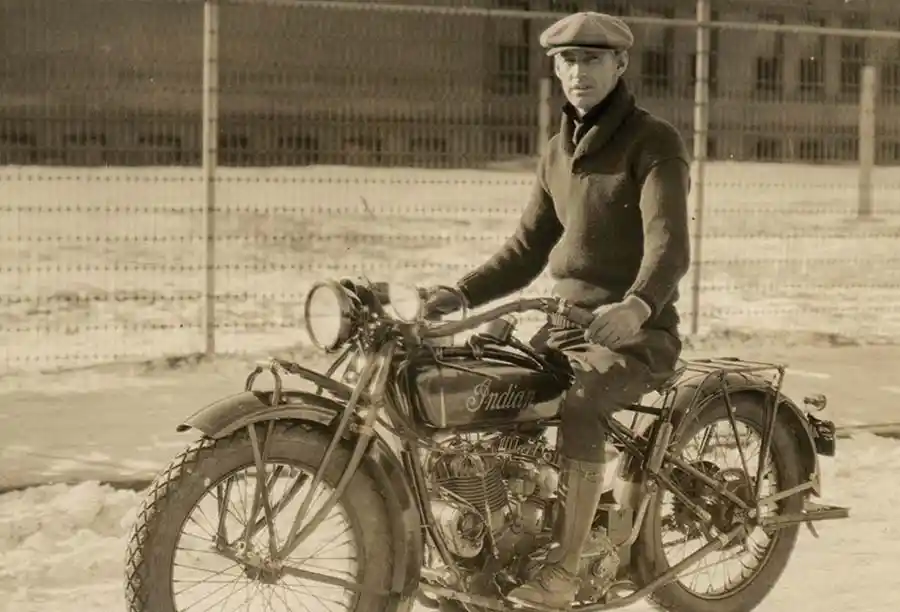
The Scout earned a reputation for being all but indestructible almost overnight. The advertising line of the era became famous: “You can't wear out an Indian Scout.” The bike backed up the claim with countless endurance runs and records, and in 1927 gained a larger 745 cc (45 ci) engine that only strengthened its standing with long-distance riders and police fleets alike.
The model that truly turned the Scout into an icon was the 101 Scout, built from 1928 to 1931. A longer wheelbase, lower seat and precise, communicative steering gave it handling that was unmatched at the time. Racers, hill-climbers and Wall of Death riders all fell for it, and many enthusiasts still regard it as the best-handling Indian ever made.
A 1922 Indian Scout 600 cc. Photo: Sicnag, Wikimedia Commons (CC BY 2.0)
The 1930s brought the Sport Scout, which sharpened the range's competitive edge and became the basis for racing specials and military machines — the wartime Model 741 supplied to Allied forces grew directly from it. The classic Scout stayed in production in various forms until 1949; by 1953 the original era had faded and Indian Motorcycle fell silent for decades.
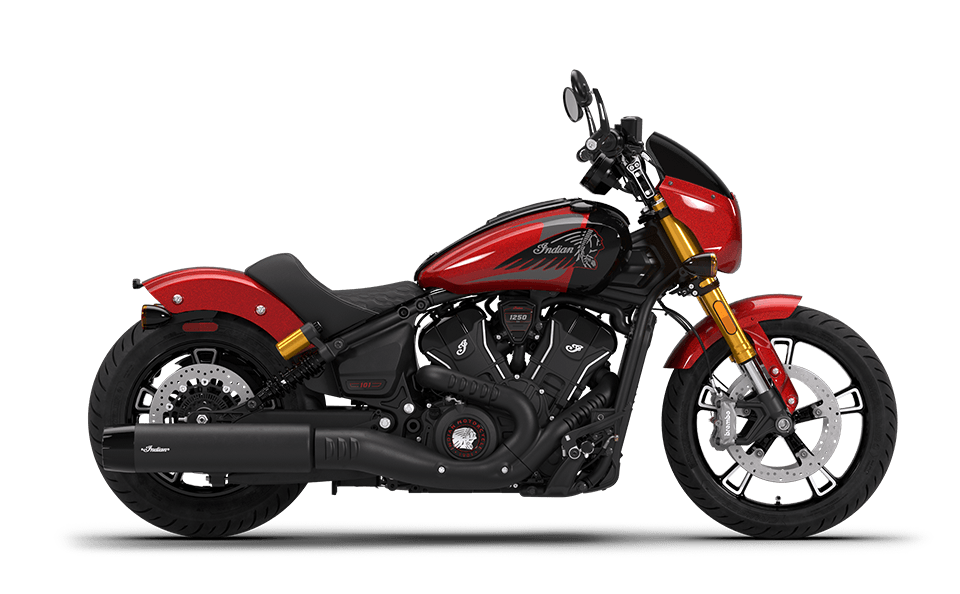
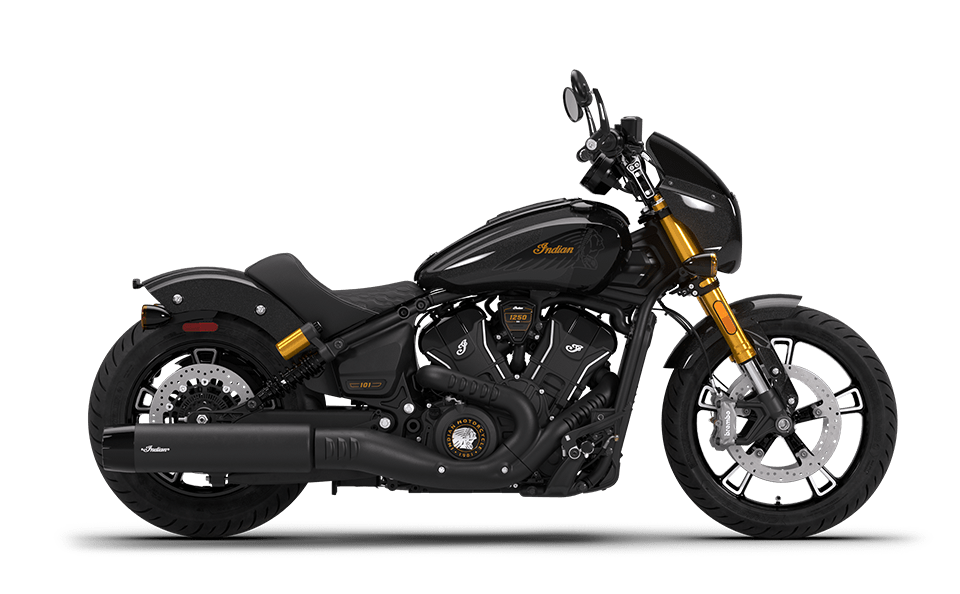
The Scout name returned to prominence only after Polaris acquired the brand. In 2015 an all-new Indian Scout arrived with a liquid-cooled 1133 cc (69 ci) V-twin making around 100 horsepower in a cast-aluminium frame — a modern tribute to the 1920 original. The Scout Sixty (999 cc), Scout Bobber and Scout Rogue soon followed, broadening the family with lighter and darker styles.
For 2025 the Scout received its most comprehensive update since the revival: an all-new 1250 cc engine, modern electronics and a broader family spanning the 101 Scout, Sport Scout, Super Scout and Scout Classic. More than a century on, the Scout remains exactly what it always was — an accessible, agile and unmistakably American motorcycle you can ride every day while carrying a piece of history with you.